Doing business in South Korea may feel familiar at first. Korean companies use email, presentations, video calls, and international business practices just like companies elsewhere.
However, once you attend an actual business meeting in Korea, cultural differences can become more noticeable. How you exchange a business card, address a senior executive, communicate disagreement, or follow up after a meeting can affect the impression you leave.
Korean business culture is also changing. A traditional manufacturer may operate very differently from a Seoul startup. Instead of memorizing rigid rules, understanding a few basic expectations will help you adapt to the people you meet.
한국에서 비즈니스 미팅을 해보면 명함 교환, 직급과 호칭, 의사 표현 방식 등에서 외국과 다른 점을 발견할 수 있습니다.
하지만 모든 한국 기업이 똑같은 것은 아닙니다. 전통적인 제조기업과 젊은 스타트업의 기업문화는 상당히 다를 수 있습니다. 따라서 정해진 규칙을 외우기보다 기본적인 한국 비즈니스 문화를 이해하고 상대 기업에 맞춰 대응하는 것이 중요합니다.
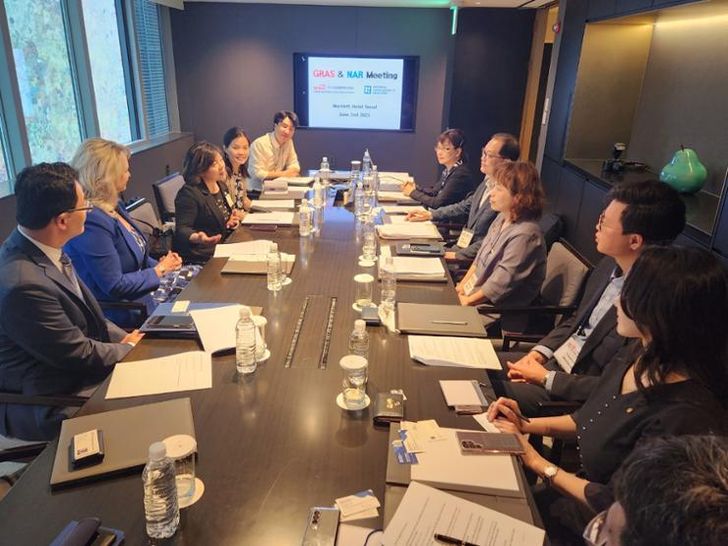
1. Arrive on Time — Preferably a Little Early
1. 시간 약속 — 5~10분 일찍 도착하세요
Punctuality matters in Korean business meetings.
For an important first meeting, arriving about 5–10 minutes early is a sensible approach. It gives you enough time to find the office, register at reception, and prepare before meeting your Korean counterpart.
This is particularly useful in Seoul, where traffic and large office buildings can cause unexpected delays.
If you expect to be late, contact your Korean counterpart as soon as possible rather than arriving without explanation.
한국어 안내
한국 기업과의 첫 미팅이라면 약속시간보다 5~10분 정도 일찍 도착하는 것이 좋습니다. 특히 서울에서는 교통체증이나 복잡한 오피스 빌딩 때문에 예상보다 시간이 더 걸릴 수 있습니다.
늦을 가능성이 있다면 도착 직전에 설명하기보다 미리 상대방에게 연락하는 것이 좋습니다.
2. Exchange Business Cards with Respect
2. 명함은 정중하게 교환하세요
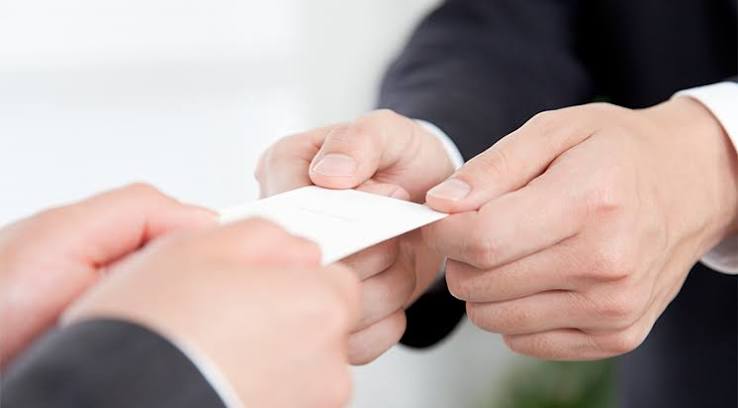
Business cards are still commonly used during first meetings in Korean B2B business.
When exchanging a card, using both hands is a polite and safe approach. After receiving a card, take a moment to look at the person's name, company, and position instead of immediately putting it away.
The card also gives you valuable information about the people sitting across from you — especially their roles and positions within the company.
You don't need to memorize every Korean job title. But understanding who is responsible for the project and who may be involved in the final decision can be very useful.
한국어 안내
한국의 B2B 미팅에서는 여전히 명함이 중요한 역할을 합니다. 처음 만나는 자리에서는 두 손으로 명함을 건네고 받는 것이 가장 무난합니다.
받은 명함을 바로 주머니에 넣기보다는 이름·회사명·직급을 잠시 확인하는 것이 좋습니다. 명함은 단순한 연락처가 아니라 상대방이 회사에서 어떤 역할을 맡고 있는지를 파악할 수 있는 중요한 정보이기도 합니다.
3. Pay Attention to Titles and Seniority
3. 직급과 의사결정 구조를 파악하세요
Hierarchy still matters in many Korean companies, although its importance varies greatly by organization.
Traditional manufacturers and established corporations may operate differently from startups or younger technology companies.
During a formal first meeting, observe who leads the conversation, who asks detailed questions, and who appears to have decision-making authority.
If you are unsure how to address someone in English, using Mr./Ms. + family name or a professional title is usually safer initially than becoming overly casual.
Once your counterpart asks you to use their first name, you can naturally follow their preference.
한국어 안내
한국 기업에서는 여전히 직급과 조직 내 역할이 중요한 경우가 많습니다. 하지만 기업마다 문화가 다르므로 단순히 나이나 직급만 보고 판단하기보다 실제로 누가 프로젝트를 담당하고 누가 의사결정에 참여하는지 파악하는 것이 중요합니다.
특히 첫 미팅에서는 지나치게 친근하게 접근하기보다 상대방의 분위기를 먼저 살펴보는 것이 좋습니다.
4. Don't Mistake Politeness for Agreement
4. 정중한 반응을 '동의'로 착각하지 마세요
This is one of the most useful things foreign business visitors can understand.
A Korean counterpart may sometimes avoid giving an immediate and direct rejection during a meeting.
Responses such as “We will review it,” “We need to discuss internally,” or “That may be difficult” should not automatically be interpreted as approval.
Likewise, a friendly and pleasant meeting does not necessarily mean that a deal has been agreed.
Instead of pushing for an immediate yes or no, clarify the next step.
For example:
“Would it be helpful if I send the quotation and specifications after the meeting?”
or
“When would be a good time for us to follow up?”
한국어 안내
미팅 분위기가 좋았다고 해서 반드시 계약 가능성이 높다는 의미는 아닙니다.
한국 비즈니스에서는 직접적인 거절 대신 “검토해보겠습니다”, “내부적으로 논의해보겠습니다”, “조금 어려울 것 같습니다”와 같이 완곡하게 표현하는 경우도 있습니다.
따라서 상대방의 표정이나 분위기만으로 결과를 판단하기보다 다음 단계가 무엇인지 구체적으로 확인하는 것이 중요합니다.
5. Prepare Facts, Prices and Product Details
5. 가격·MOQ·납기 등 구체적인 정보를 준비하세요
Good manners alone will not make a successful business meeting.
Come prepared.
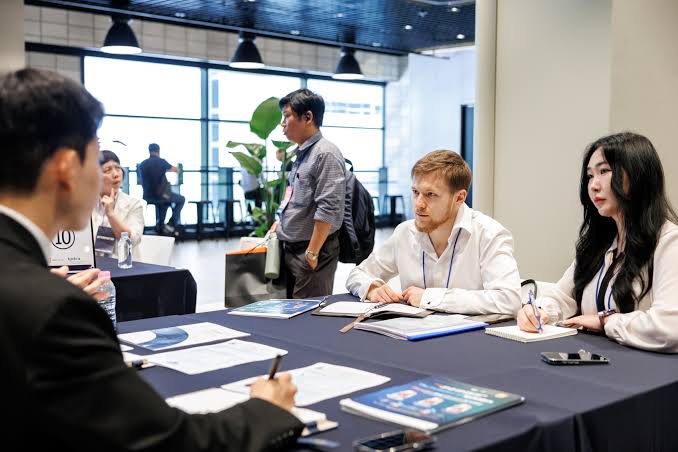
If you are meeting a Korean manufacturer or supplier, be ready to discuss practical issues such as product specifications, MOQ, pricing, lead time, packaging, certifications, customization, and delivery conditions.
If you are the buyer, clearly explain what you are looking for rather than simply asking the supplier to introduce everything they manufacture.
Numbers, specifications, photographs, catalogs, and samples can also help overcome language barriers.
KOTRA operates one-on-one business meeting programs connecting international buyers with Korean companies, demonstrating the continuing importance of structured B2B meetings in Korean trade.
한국어 안내
실제 거래에서는 비즈니스 매너보다 더 중요한 것이 구체적인 거래조건입니다.
한국 공급업체와 미팅한다면 가격뿐 아니라 MOQ(최소주문수량), 납기, 포장, 인증, 커스터마이징 가능 여부 등을 확인해야 합니다.
외국 바이어 역시 원하는 제품과 예상 주문수량, 목표시장 등을 구체적으로 설명하면 훨씬 효율적인 상담이 가능합니다.
6. Business Dinner Etiquette — Follow the Atmosphere
6. 비즈니스 식사와 회식 — 분위기를 먼저 살펴보세요
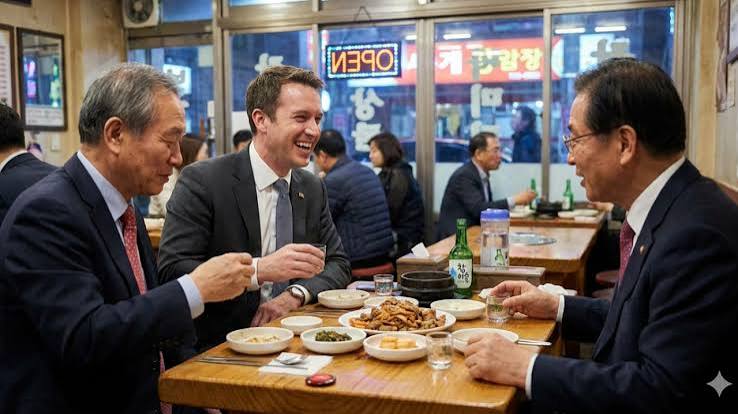
A business relationship in Korea does not always end when the meeting room closes.
Lunch or dinner may provide an opportunity for both sides to talk more comfortably and build rapport.
However, not every Korean business meeting leads to a late-night dinner or drinking session. Korean workplace culture has changed, and practices vary significantly depending on the company, generation, and industry.
If alcohol is served, you do not have to drink simply because you are doing business in Korea.
The simplest rule for an international visitor is to observe the atmosphere rather than trying too hard to “act Korean.”
Be respectful, participate naturally, and focus on building a genuine professional relationship.
한국어 안내
한국에서는 공식 미팅 이후 점심이나 저녁 식사를 함께하면서 보다 편안하게 이야기를 나누는 경우가 있습니다.
하지만 모든 한국 기업이 회식이나 음주를 중요하게 생각하는 것은 아닙니다. 기업과 세대에 따라 문화가 많이 달라졌습니다.
외국인이 억지로 한국식 회식문화를 따라 하려고 하기보다는 상대방의 분위기에 자연스럽게 맞추는 것이 훨씬 좋습니다.
7. Follow Up After the Meeting
7. 미팅 후에는 반드시 후속 연락을 하세요
Once the meeting is over, send a short follow-up email or message.
You don't need a complicated email.
Thank them for their time, briefly summarize what was discussed, and provide any quotation, catalog, specification, or additional information you promised.
More importantly, make the next action clear.
If several people attended the meeting, confirm who will be your main contact going forward.
A successful international business relationship is rarely created by one meeting.
A good meeting opens the door. Consistent follow-up builds the relationship.
한국어 안내
미팅이 끝난 뒤에는 감사 인사와 함께 견적서, 카탈로그, 제품 사양 등 약속했던 자료를 전달하는 것이 좋습니다.
중요한 것은 단순한 감사 메일보다 다음에 무엇을 할 것인지 명확하게 정하는 것입니다.
해외영업에서는 첫 미팅 자체보다 그 이후의 지속적인 팔로우업이 실제 거래로 연결되는 경우가 많습니다.
Need Help Meeting Korean Companies?
한국 기업과의 비즈니스 미팅에 도움이 필요하신가요?
Finding the right Korean supplier is only the beginning.
International buyers visiting Korea may need help contacting Korean companies, arranging meetings, communicating during negotiations, and traveling between offices, factories, exhibitions, and other business locations.
Korea Sourcing provides local business support for international buyers visiting Korea, including business meeting assistance, interpretation, company visits, and transportation support.
My background is not limited to interpretation or guiding.
I have approximately 20 years of overseas sales experience, working in industries including jewelry, accessories, and fly fishing products, with a major focus on developing new international clients.
That means I understand a business meeting from both sides of the table — not only what is being said, but what buyers and suppliers actually need to move a potential deal forward.
한국어 안내
한국 업체를 찾는 것만으로 해외 비즈니스가 끝나는 것은 아닙니다.
업체 연락, 미팅 일정 조율, 통역, 공장이나 사무실 방문, 이동 동선 등 실제 한국 출장에서는 현장에서 해결해야 할 일이 많습니다.
Korea Sourcing은 한국을 방문하는 해외 바이어의 비즈니스 미팅, 통역, 업체 방문 및 이동을 지원합니다.
저 역시 단순한 통역이나 관광 안내 경험만 있는 것이 아니라 귀금속·액세서리·플라이피싱 분야에서 약 20년 동안 해외영업과 신규 해외 거래처 개발 업무를 해왔습니다.
따라서 언어를 전달하는 것뿐 아니라 바이어와 공급업체 양쪽이 실제 거래 과정에서 무엇을 필요로 하는지 이해하면서 현장을 지원하는 것이 Korea Sourcing의 차별점입니다.
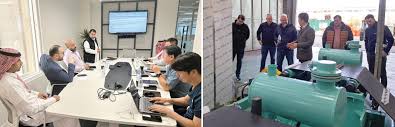
If you're planning a sourcing trip or business visit to Korea, local support from someone who understands both the language and the business process can make your trip far more productive.
Welcome to Korea — and good luck with your next business opportunity.
Contact Chris for business support in Korea.